Category: Pain
-

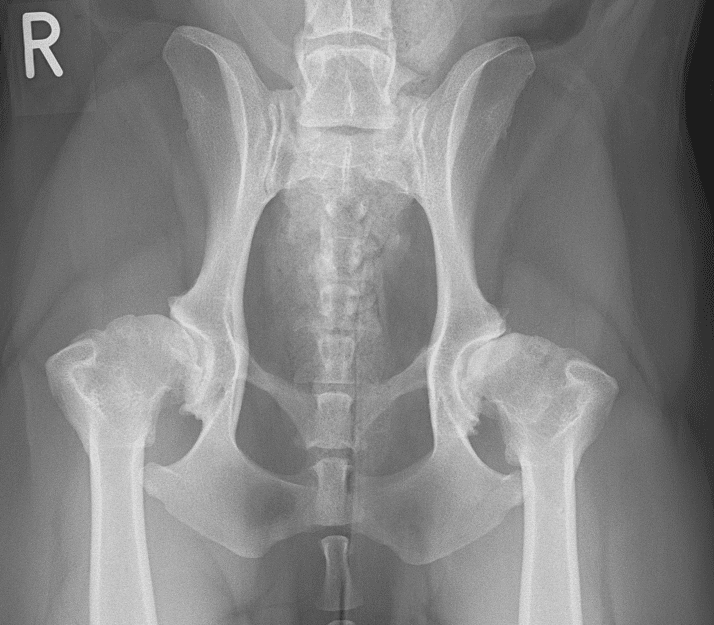
Hip and elbow dysplasia in dogs
My young dog has been diagnosed with dysplasia. What does this mean for their future? A diagnosis of hip or elbow dysplasia in a young dog can feel like a blow, especially when your dog is otherwise full of energy and may not be showing any obvious signs of pain. It is natural to wonder…
-

Gabapentin and Pregabalin for dogs with chronic pain: what does the evidence say?
If your dog has been prescribed gabapentin or pregabalin for chronic pain, you might be wondering how these drugs work and whether they are the right choice for your dog. We’ve taken a look at what the peer-reviewed science tells us, and where the gaps remain. What are these drugs and how do they work?…
-

Librela for Dogs: What We Know, What We Don’t, and How to Think About It
Librela has become one of the most talked-about developments in veterinary medicine in recent years. For many dogs with arthritis, it has made a real and welcome difference. For others, and their owners, expectations may not have been borne out. As a veterinary pain clinician, I think it is worth setting out what we currently…
-
Understanding the Different Types of Pain in Dogs – And How We Treat Them
Just like humans, dogs can experience different types of pain – and each one requires a unique approach to treatment. Whether it’s the result of an injury, chronic condition, or something more complex, understanding the type of pain your dog is experiencing is the first step toward helping them feel better. In this post, we’ll…
-
The potential of PEA
Palmitoylethanolamide (PEA) is emerging as an effective solution for managing chronic pain in animals, offering anti-inflammatory and analgesic benefits. It modulates inflammatory pathways, making it a potential alternative to traditional drugs. Individualised treatment plans involving veterinary consultation can enhance pain management for pets suffering from various conditions.
-
Supporting physical rehabilitation with behavioural modification
When managing painful conditions it is important to remain aware of the effects of pain on behaviour and conscious experience. By using pain-relieving medications, physical therapies, and cognitive activities we can reduce the impact of pain on quality of life. We also need to be aware that behaviours can negatively impact chronic pain conditions –…
-
Getting to the point – acupuncture in dogs and cats
In an earlier post I described how muscle pain can add to, and sometimes drive, the discomfort of osteoarthritis. Acupuncture is one of the tools we can use to address it. It is often misunderstood, so it is worth being clear about what it can and cannot do. Acupuncture has been suggested to help with…
-
Arthritis: where does it hurt?
You might think the answer is obvious. The word arthritis comes from the Greek (arthro-, joint, and -itis, inflammation), so surely the pain comes from the joint. In practice it is rarely that simple. What we have learned about how pain works tells us that joint damage is often only the starting point, and that…